Chain of responsibility
Understand our approach to compliance and responsibility.
Last updated: 03/25/2025
Chain Of Responsibility :
Please read the chain of responsibility carefully before using Our Service.
1. Introduction :
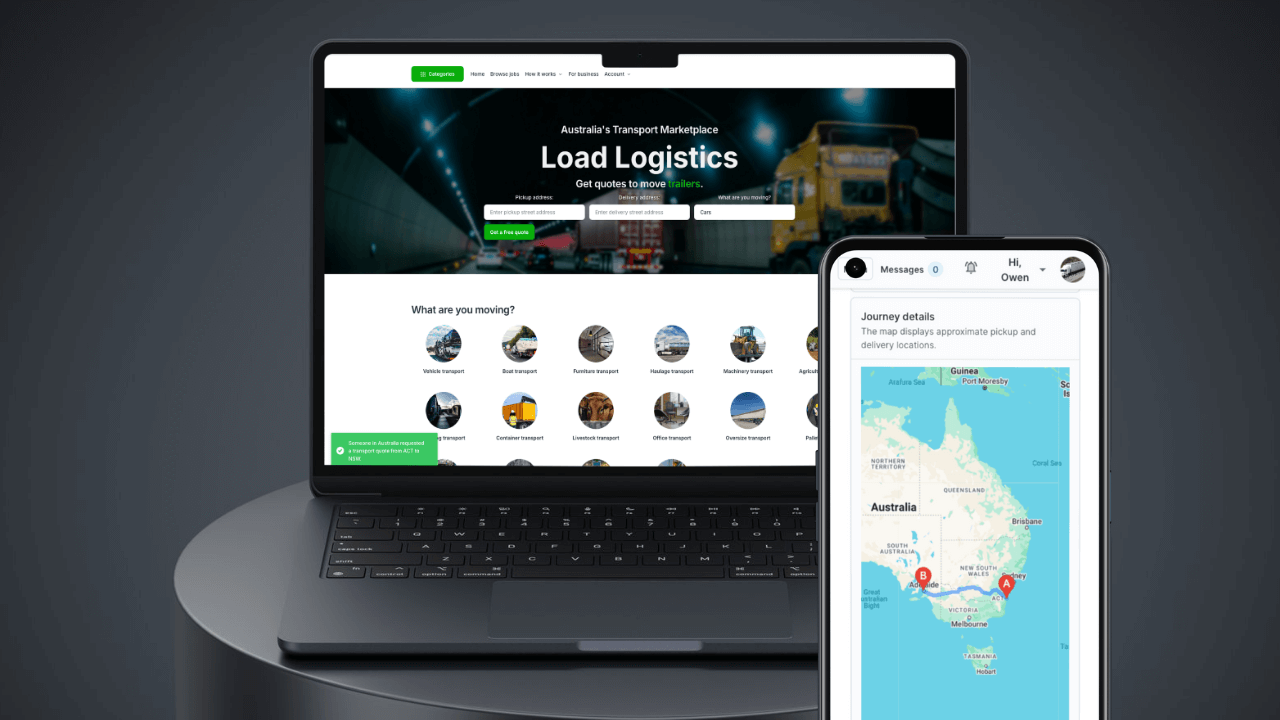
Load Logistics is a digital platform that facilitates communication between freight service providers (Carriers) and customers (Shippers). We operate as an aggregator, collecting freight leads and opportunities for our onboarded owner-drivers, brokers/agents, and transport organisations. Load Logistics is a communications and technology company and does not own, operate, or manage any freight or transport services. As such, all users of the platform, including customers and service providers, must adhere to their respective legal and regulatory obligations.
2. Load Logistics Responsibilities :
Load Logistics is responsible for maintaining a digital platform that enables seamless communication and transactions between Shippers and Carriers. As an intermediary, Load Logistics does not take responsibility for the actual transport of goods but ensures that the platform is secure, reliable, and facilitates necessary information exchange. The company will verify service providers during onboarding, ensure that platform users understand their obligations, and provide clear terms of service outlining the limitations of Load Logistics’ liability. Load Logistics also reserves the right to remove non-compliant users from the platform.
- Provide a digital platform that enables the listing and discovery of freight service opportunities.
- Facilitate communication between Shippers and service providers without assuming liability for agreements made between them.
- Ensure that all registered service providers complete the onboarding process, which may include identity verification and compliance checks where applicable.
- Maintain a secure and reliable digital environment for transactions and communications.
- Provide clear terms of use that outline the limitations of Load Logistics’ liability.
3. Service Providers' Responsibilities (Owner-Drivers, Brokers/Agents, Transport Organisations) :
Service providers using Load Logistics must comply with all applicable laws and regulations, ensuring that they maintain valid licenses, insurance, and operational compliance. They are solely responsible for the quality of services provided to Shippers and must uphold fair pricing and honest business practices. By participating in the platform, they acknowledge their duty to adhere to occupational health and safety regulations, honor agreements made with Shippers, and handle disputes professionally.
- Ensure compliance with all applicable laws, including chain of responsibility obligations under Australian transport regulations.
- Accurately represent their capabilities, experience, and compliance with industry standards.
- Maintain all required licenses, permits, and insurance for transporting goods.
- Provide fair and transparent pricing and service terms to customers.
- Conduct due diligence on all agreements and ensure contracts with Shippers are legally sound.
- Adhere to occupational health and safety requirements in freight handling and transport operations.
4. Customer Responsibilities (Shippers) :
Customers (Shippers) who use Load Logistics must conduct their own due diligence when selecting a Carrier and ensure that the freight being shipped complies with all legal requirements. They are responsible for accurately describing their shipment, providing necessary documentation, and adhering to the agreed payment and dispute resolution processes. Load Logistics does not assume liability for disputes between Shippers and Carriers, and customers must verify service providers independently before entering into agreements.
- Conduct due diligence when selecting a service provider, including verifying their credentials, reputation, and compliance status.
- Ensure that all goods shipped comply with relevant laws, including those related to dangerous or restricted items.
- Accurately describe freight requirements and provide necessary documentation as required by service providers.
- Agree to and abide by the terms and conditions set forth by the selected freight provider.
- Resolve disputes directly with service providers, acknowledging that Load Logistics is not liable for service-related issues.
5. Compliance and Enforcement :
Load Logistics enforces compliance by monitoring platform usage and taking action against any violations. Users who engage in fraudulent activities, misrepresent credentials, or violate platform terms may be suspended or permanently removed. Load Logistics retains the right to update policies as needed to ensure legal compliance and platform integrity.
- Load Logistics reserves the right to remove or suspend any user (customer or service provider) who violates platform policies or engages in fraudulent or non-compliant activities.
- Users found misrepresenting their credentials or engaging in unlawful activities may be reported to relevant authorities.
- Load Logistics may update this Chain of Responsibility Policy periodically to ensure continued compliance with industry standards and legal requirements.
6. Conclusion :
By using Load Logistics, all participants acknowledge and accept their respective responsibilities. This ensures a safe, reliable, and legally compliant environment for all freight transactions facilitated through the platform. By clearly defining the roles and responsibilities of each participant, this Chain of Responsibility framework supports transparency, accountability, and trust within the Load Logistics ecosystem.